Why Countries Are Racing to Control Rare Earth Metals
Have you wondered – “What are rare Earth minerals, and why is everyone talking about them?”. We tell you here….
Have you wondered – “What are rare Earth minerals, and why is everyone talking about them?”.
We tell you here. Also, find out where rare-earth minerals are found in India and other countries.
What are Rare Earth Metals?
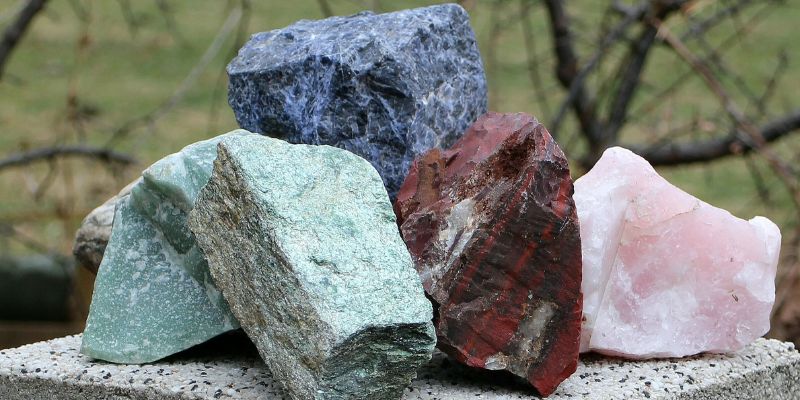
Despite the name, rare earth metals aren’t really “rare”. They’re a group of 17 shiny elements like neodymium, dysprosium, and terbium that are found in the Earth’s crust.
What makes them special? They’re essential for modernising most things – smartphones, EV batteries, wind turbines, fighter jets – even the speakers in your AirPods need them. So, yes, they are very important in today’s day and age.
Why the Rush to Control Them?
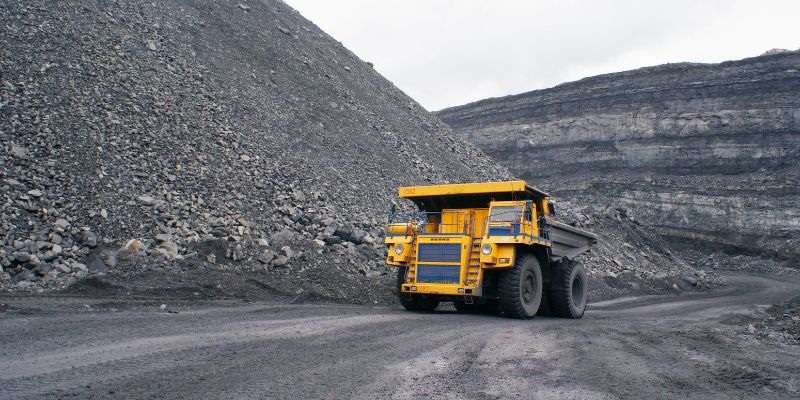
Think of rare earth metals as the “oil of the tech era.”
If oil powered the 20th century, these elements power the 21st-century tech boom. Without them, no green energy revolution, electric cars, AI servers, or advanced military tech.
But here’s the issue – China dominates rare earth mining and processing (about 70–80%). The US, India, Japan, and the EU are trying hard to catch up because whoever controls these controls the future of tech and defence. Supply chains are shaky: One trade ban or export restriction can shake global tech markets. So, this is a big issue.
What’s at Stake for Teens?

- Your gadgets: Phones, PlayStations, laptops—all depend on these.
- Your future jobs: Green energy, EVs, robotics—industries built on rare earths.
- Geopolitics: This is the new oil war, but for clean energy and tech supremacy.
The Top Rare-Earth Elements You Should Know
1. Neodymium (Nd)
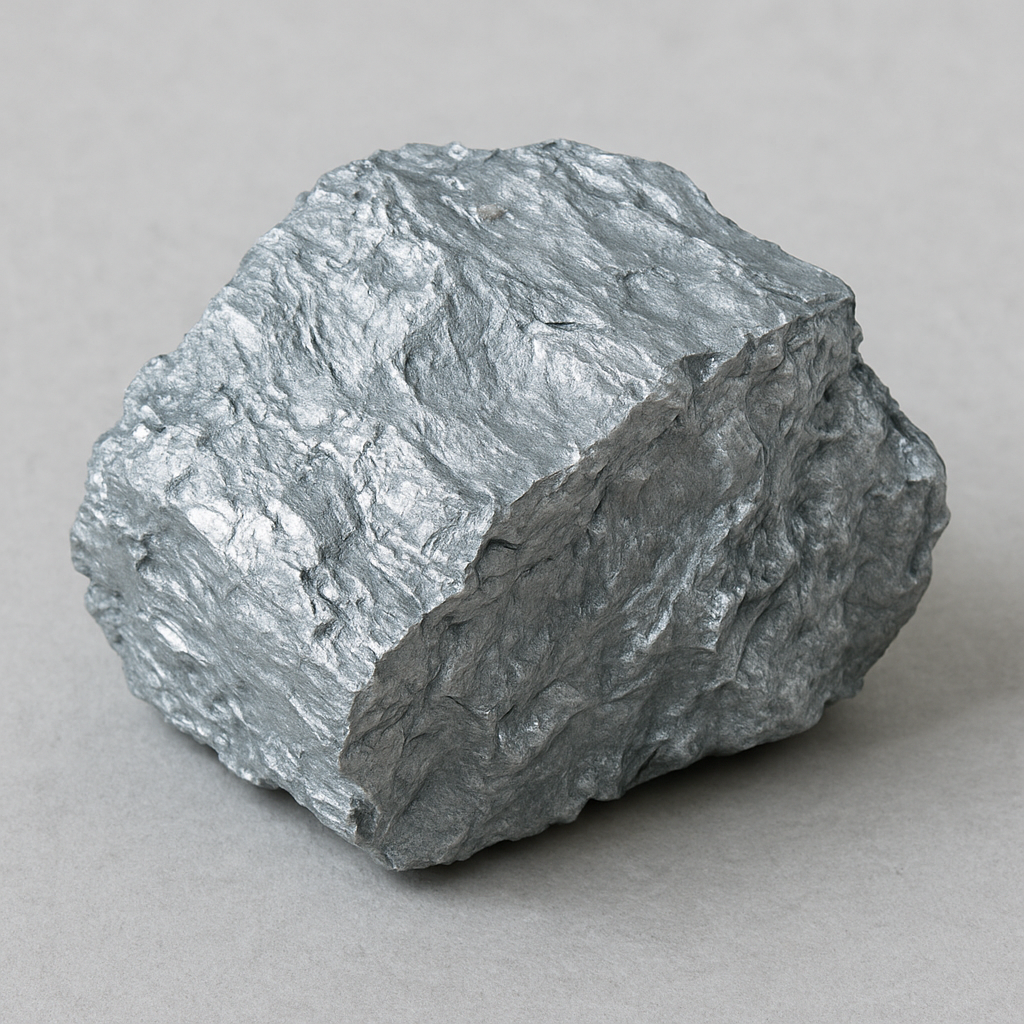
Atomic Number: 60
Category: Light Rare Earth Element (LREE)
Key Properties: Silvery metal, magnetic, reacts slowly with oxygen.
What it does: Neodymium is the superstar of magnets (especially NdFeB). Its powerful magnetic strength makes it essential in everything from smartphone speakers and headphones to electric vehicle motors and wind turbine generators.
Primary Uses: Strong permanent magnets (used in electric vehicle motors, wind turbines, headphones, hard drives). Lasers for medical and defence applications.
Where it’s found: It is mainly mined from bastnäsite and monazite ores. The top source is China, especially the massive Bayan Obo mine in Inner Mongolia, which houses around 40% of known global reserves.
Where is it found in India: Monazite sands along Kerala, Tamil Nadu, Odisha, and Andhra Pradesh. Hard-rock deposits in Rajasthan (recently discovered in Bhati Kheda).
Why teens should care: No neodymium = no powerful magnets = no fun gadgets or future jobs in clean tech.
2. Praseodymium (Pr)
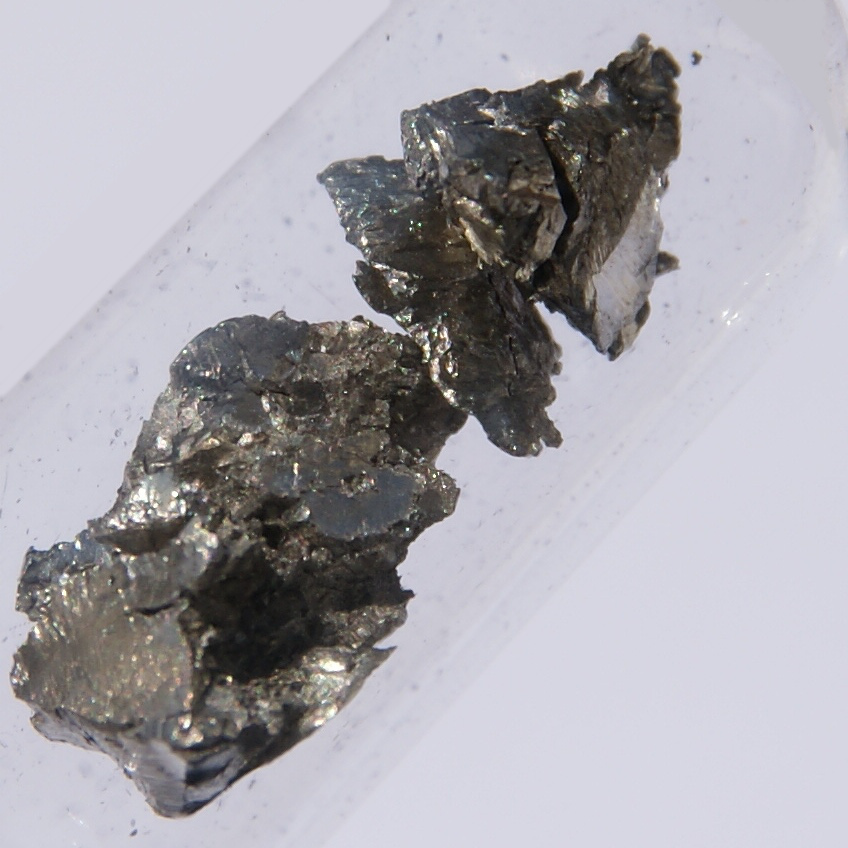
Atomic Number: 59
Category: Light Rare Earth Element (LREE)
Key Properties: Soft, malleable, yellow-green tint.
What it does: Often mixed with neodymium to improve magnet strength and performance. It’s used in powerful magnets and aircraft engines.
Primary Uses: Magnets for EV motors and wind turbines. Alloy in aircraft engines (improves strength). Glass polishing and colouring.
Where it’s found: Together with neodymium in bastnäsite and monazite ores. China dominates production; countries like Australia, the US, Myanmar, and India produce much less.
Where is it found in India: Same coastal sands as Neodymium (Kerala, Tamil Nadu, Odisha). Inland mineralised zones under exploration.
3. Dysprosium (Dy)
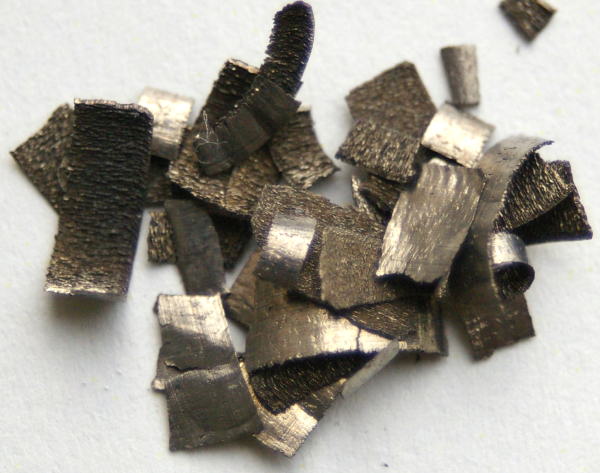
Atomic Number: 66
Category: Heavy Rare Earth Element (HREE)
Key Properties: Silvery-white, high thermal stability
What it does: A heavy rare-earth element critical for magnets that withstand high temperatures, perfect for EVs, defence tech, and renewables.
Primary Uses: Makes magnets heat-resistant (critical for EV motors and wind turbines). Used in nuclear reactors and some defence applications.
Where it’s found: Mostly in ion-adsorption clay deposits in southern China; also mined in Myanmar and Australia (about 40% from China, 31% Myanmar, 20% Australia as of 2021).
Where is it found in India: It is extremely scarce in coastal sands, but recent traces have been reported in Rajasthan hard rock deposits.
Why it matters: Without dysprosium, your EV motor magnets would degrade, making your future ride less efficient.
4. Terbium (Tb)
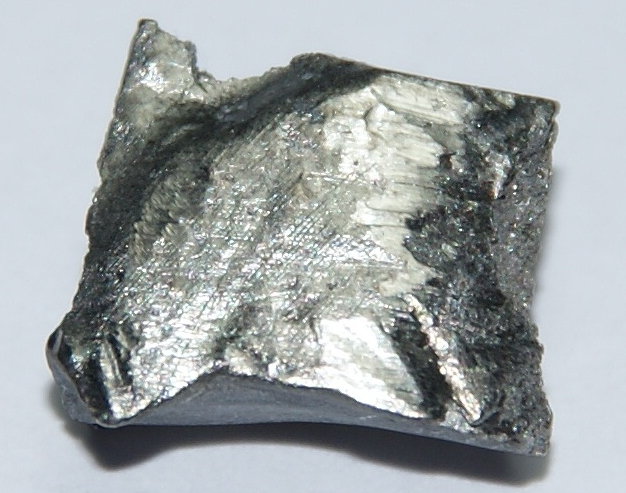
Atomic Number: 65
Category: Heavy Rare Earth Element (HREE)
Key Properties: Bright, silvery metal.
What it does: Another heavy REE used in high-temp magnets and in specialised electronics (like green phosphors for screens and lighting).
Primary Uses: Green phosphors for LEDs and fluorescent lamps, fuel cells for clean energy, and magnetic alloys in advanced technology.
Where it’s found: Like dysprosium, it’s mainly from southern China and Myanmar. Limited but growing production is in Australia, and new projects are underway across Brazil and Africa.
Where is it found in India: Very limited; mostly imported from China.
Fun fact: The magnets in your phone’s tiny speakers? Made from rare earths like neodymium. Without them, Instagram reels would have no sound!
Where are Rare Earth Minerals Found in India?
India has some of the world’s largest rare earth mineral reserves, primarily in monazite-rich sands along Kerala, Tamil Nadu, Odisha, and Andhra Pradesh coasts.
These beach sands contain light rare earth elements (LREEs) like neodymium and praseodymium, which are used in electric motors, wind turbines, and electronics. India holds about 13 million tonnes of monazite, equal to around 7.23 million tonnes of rare-earth oxides, making it one of the top five countries globally for these resources.
Recently, new discoveries have been made inland. In July 2025, the Geological Survey of India confirmed hard-rock deposits in Rajasthan’s Bhati Kheda and Jalore-Barmer regions. These deposits contain minerals like bastnäsite and xenotime, which include rare earths such as dysprosium and neodymium.
Exploration is also happening in Purulia (West Bengal) and Karbi Anglong (Assam). These finds are significant because India wants to reduce its dependence on imports from China and start locally making high-tech products like magnets and EV components.
To Sum Up
Rare earth minerals have become the building blocks of modern technology, powering everything from electric vehicles and wind turbines to smartphones and defence systems.
With its vast monazite-rich coastal sands and newly discovered hard-rock deposits in Rajasthan, India now ranks among the top five countries in rare earth reserves. While light rare earth elements like neodymium and praseodymium are abundant along India’s coasts, heavy elements such as dysprosium and terbium remain limited but promising due to recent inland discoveries.
With exploration expanding to West Bengal and Assam and government-backed plans to develop refining and magnet manufacturing, India is positioning itself to reduce import dependence and emerge as a global hub for critical minerals—a move vital for the future of clean energy, advanced electronics, and strategic technologies.

Get fun facts, simple and easy news, quizzes, and many other interesting things to read in your mailbox – for free! It’s what we call GK-on-the-go!
I Kid You Not now has readership across India and parts of the world. If you want to write for us, you can submit your story here.


Comments