Perseid Meteor Shower 2025 – What is It?
“Meteor shower” is the general term. The Perseids are one specific meteor shower that happens every August when Earth crosses Swift–Tuttle’s debris trail
Have you ever seen a shooting star?
Every August, something amazing happens in the night sky – the Perseid meteor shower. It’s like nature’s fireworks display, and you don’t need any special equipment to see it. Just your eyes!
Think of it this way: imagine tiny pieces of space rock racing toward Earth at super-fast speeds. When they hit our atmosphere, they burn up and create bright streaks of light across the sky.
That’s what we call “shooting stars” or meteors!
What Are Meteors Really?
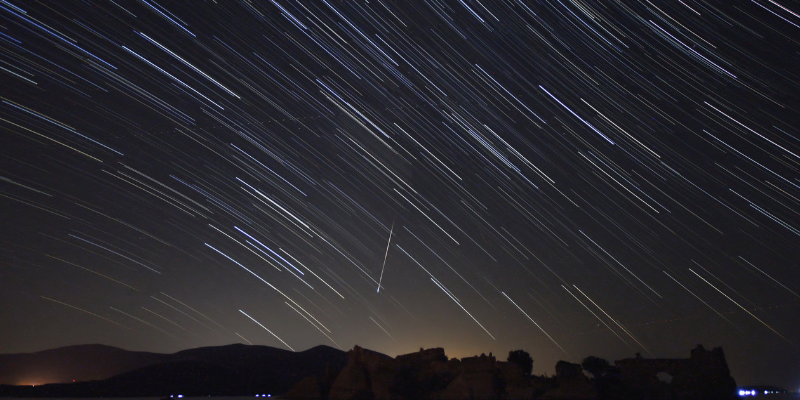
Here’s the cool science behind it: A long time ago, a giant comet called 109P/Swift-Tuttle travelled through space, leaving behind a trail of dust and small rocks. Every year in August, Earth passes through this trail of space debris.
When these tiny pieces (most are smaller than a grain of rice!) enter our atmosphere at about 133,000 mph, they get so hot from friction that they glow bright white. That creates the streaks of light we see racing across the sky.
Fun Fact: Most of these space rocks burn entirely up before they reach the ground, which is why we see them as brief flashes of light.
Are the Perseids The Same As A Meteor Shower?
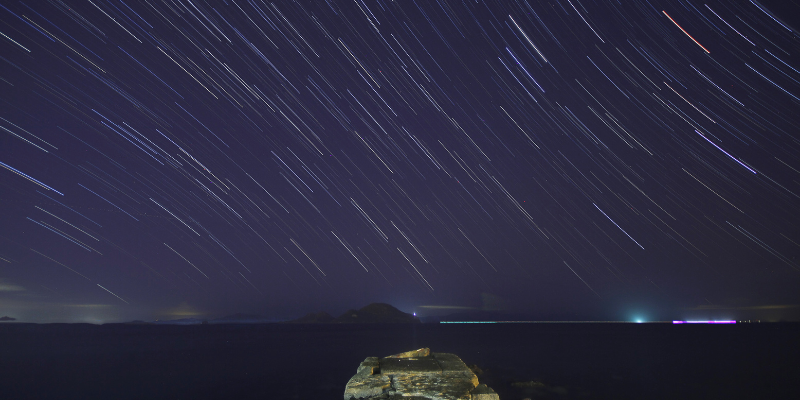
“Meteor shower” is the general term. The Perseids are one specific meteor shower that happens every August when Earth crosses Swift–Tuttle’s debris trail. So the Perseids are one example of a meteor shower – a great one to see because it often produces many meteors per hour.
A very short myth – Perseus is a hero from Greek mythology, known for killing the Gorgon (a monster) Medusa and rescuing Princess Andromeda from a sea monster. The constellation Perseus is named for that hero, and the meteor shower that seems to come from that part of the sky gets the name.
Why Is It Called “Perseid”?
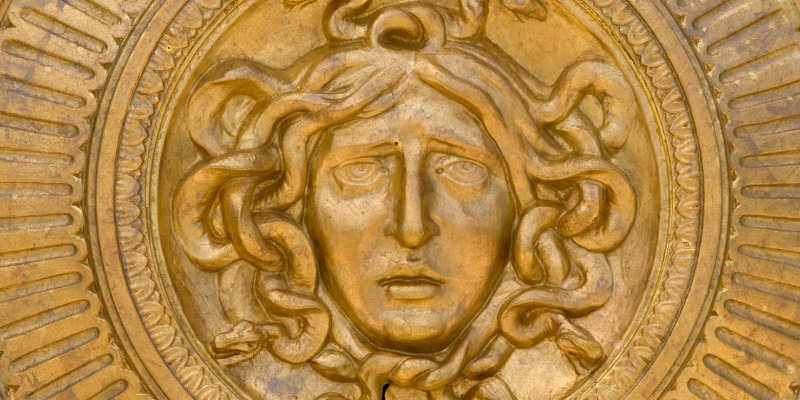
The shower gets its name from the constellation Perseus. If you trace all the meteor trails backwards, they seem to come from that part of the sky. Perseus was a hero in Greek mythology who killed the monster Medusa – a pretty cool connection to a monster light show in the sky!
When Can You See the Perseids in 2025?
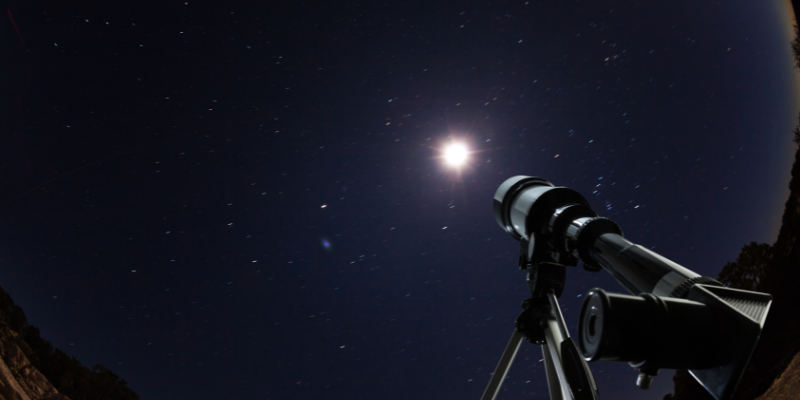
You still have time! The Perseid shower peaked on August 13, 2025, but it’s still active until Saturday, August 23, 2025 – this weekend! Even though the peak has passed, you can still see shooting stars over the next few days.
Best Times to Watch:
- Any night until August 23
- Best hours: Between 2 AM and sunrise
- Look toward: Northeast, but meteors can appear anywhere in the sky
The Moon Problem in 2025: This year isn’t perfect for meteor watching because there was a full moon on August 9, making the sky brighter. This means you might only see about 15 meteors per hour instead of the usual 40-50. But the brightest ones will still be visible!
Watching from India: What You Need to Know
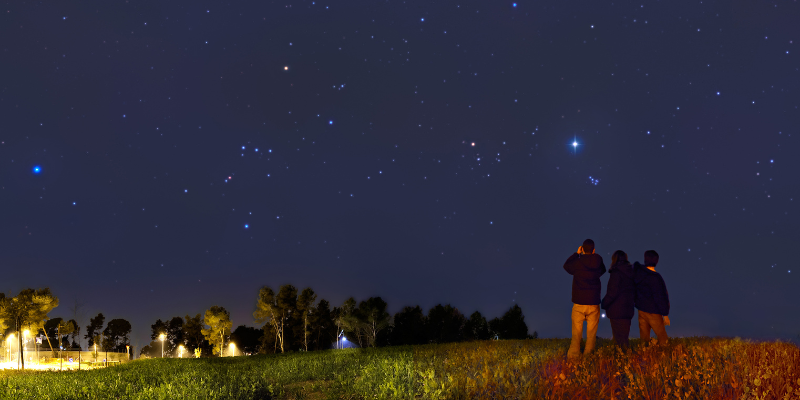
Best Places in India:
- Hill stations like Nainital, Mussoorie, or places in Himachal Pradesh
- Any area away from city lights (at least 50 km from big cities)
- Beaches away from towns
- Rural areas with dark skies
Timing for Different Parts of India:
- North India (Delhi, Chandigarh): Look northeast after 2 AM
- West India (Mumbai, Pune): Best viewing between 2:30-6 AM
- South India (Bangalore, Chennai): Start watching from 3 AM
- East India (Kolkata): Similar to North India
If You Live in a Big City: Don’t give up! Even with city lights, you might still see the brightest meteors. Try to get to your building’s rooftop or find the darkest spot you can.
How to Watch: Simple Steps
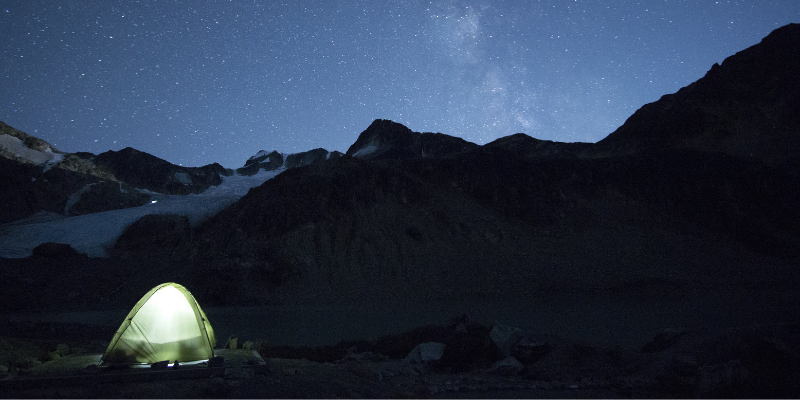
What You Need:
- A dark place (away from street lights)
- Comfortable chair or blanket to lie down
- Warm clothes (nights can be cool)
- Patience (it takes time to see them!)
How to Do It:
- Give your eyes time to adjust – It takes about 20 minutes to see better in the dark
- Lie on your back – This way, you can see more of the sky
- Look northeast, but don’t stare at one spot – Let your eyes wander around the sky
- Be patient – You might not see one immediately, but keep looking!
What You Might See:
- Regular meteors (quick streaks of light)
- Fireballs – Super bright meteors that light up the sky
- Different colours – green, blue, yellow, or orange streaks
- Some meteors leave glowing trails that last a few seconds
Cool Science Facts About Perseids
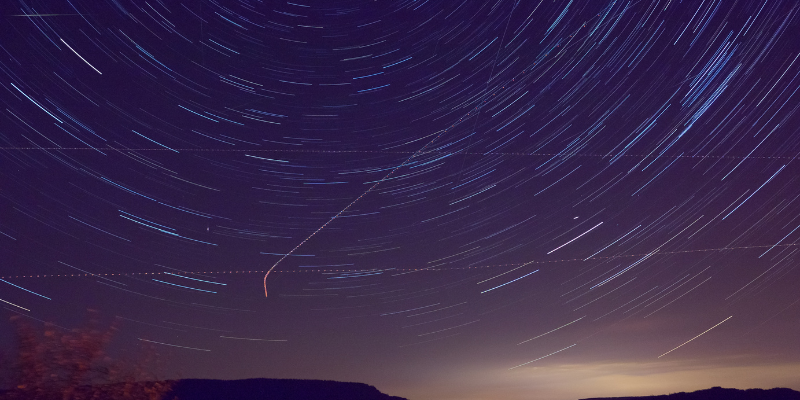
- Speed: These space rocks hit our atmosphere at 133,000 mph!
- Temperature: They get as hot as 3,000°F when they burn up
- Colours mean different things:
- Green/Blue = Magnesium in the rock
- Yellow/Orange = Sodium
- Red = Nitrogen and oxygen in our atmosphere
- History: People have been watching the Perseids for almost 2,000 years!
Weather Watch for Indian Viewers
August can be tricky because of monsoon rains. Check the weather forecast and remember:
- Western coast: Often cloudy during the monsoon
- Northern plains: Usually clearer skies
- Mountain areas: Best chances for clear weather, but it can change quickly
Backup Plan: Since meteors continue until August 23, you have several chances to catch a clear night!
Why This Matters
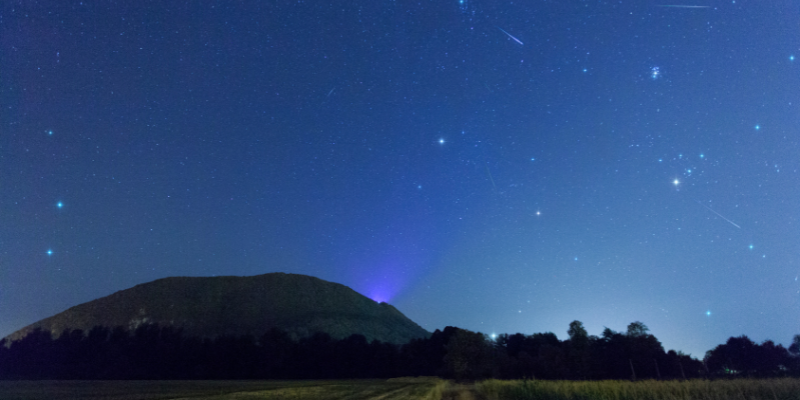
The Perseid meteor shower connects us to space in a fantastic way. You’re literally watching pieces of a comet travelling through space for millions of years. These tiny rocks have journeyed from the outer solar system to put on this light show for us!
Every time you see a meteor, remember that you’re seeing something that has travelled billions of miles through space, only to burn up in a beautiful flash of light above your head.

Get fun facts, simple and easy news, quizzes, and many other interesting things to read in your mailbox – for free! It’s what we call GK-on-the-go!
I Kid You Not now has readership across India and parts of the world. If you want to write for us, you can submit your story here.


Comments